
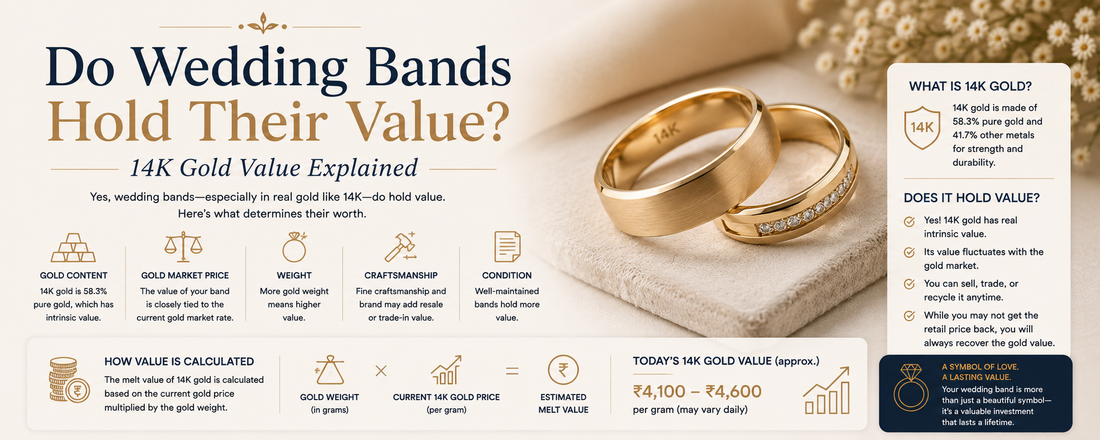
Do Wedding Bands Hold Their Value? (14K Gold Value Explained)
Shopping, not reading?
Skip ahead and browse the full wedding band collection.
You've picked a ring, you've set a budget, and somewhere between comparing 14K and 18K gold you find yourself asking a question that has nothing to do with romance: will this thing actually be worth anything down the road? It's a fair question. A wedding band isn't an impulse purchase — for most couples it's one of the larger jewelry investments they'll ever make, and it's reasonable to want to know whether that money is "doing" anything besides sitting on a finger.
The honest answer is more nuanced than a simple yes or no, and it's worth understanding before you buy rather than after. Wedding bands are jewelry first and financial assets a distant second. But the metal inside them — gold or platinum — does carry real, tradeable value that doesn't disappear the day you leave the store. Knowing how that value works, what erodes it, and what protects it can help you buy smarter, insure correctly, and set expectations that won't leave you disappointed if you ever need to sell, trade in, or pass a band down.
Do Wedding Bands Hold Their Value?
Not in the way a stock or a house does. A new wedding band typically resells for a fraction of its retail price because retail price includes design, labor, and markup that resale buyers won't pay for. What does hold value is the metal itself — the gold or platinum content, measured by karat/purity and weight — which tracks precious metal markets over the long term. Higher-purity metal, simpler designs, and good documentation all help a band retain more of its worth.
How Jewelry Value Actually Works: Retail Price vs. Melt Value
To understand why a wedding band's resale number can feel like a gut punch, it helps to separate two very different figures: what you paid, and what the metal is technically worth if it were melted down and sold as raw material.
Melt value is the baseline — it's simply the current market price of gold or platinum multiplied by the actual precious-metal weight in your ring, adjusted for purity. A 14K gold band is only 58.3% pure gold (the rest is alloy metals like copper, silver, or palladium that add strength and color), so its melt value reflects that fraction, not the full market price of gold by weight.
Retail price includes melt value plus everything that turned raw metal into a finished ring: design and CAD work, casting, stone setting, polishing, quality control, the jeweler's margin, and often diamonds or other gemstones that carry their own separate (and generally low-resale) value. That combination is why a band that cost several hundred or several thousand dollars new might only fetch a melt-value-based offer if you try to resell it through a pawn shop, "cash for gold" buyer, or refiner.
This gap isn't unique to wedding bands or even to jewelry — it's true of nearly every manufactured good. A new car loses value the moment it leaves the lot for the same basic reason: you're paying for craftsmanship, brand, and convenience, not just raw materials. Wedding bands are simply more visible about it because the underlying material (gold, platinum) happens to have its own independently tradable market price, so the comparison is easy to make.
The good news is that the melt-value floor is real and it's yours. Unlike a car or a mattress, a gold or platinum wedding band will never be worth zero, because the metal itself always has a market. That's a meaningful difference from most consumer purchases, even if it's not the "investment" framing some shoppers hope for.
What Actually Affects a Wedding Band's Long-Term Value
If melt value is the floor, a handful of factors determine how close to (or how far above) that floor a band's real-world value sits over time.
Karat and Purity
The single biggest lever is how much actual gold or platinum is in the ring. Karat purity in gold jewelry runs from 10K (41.7% gold) up to 24K (99.9% gold, too soft for daily-wear rings), with 14K (58.3%) and 18K (75%) as the most common wedding band choices. Higher karat means more gold by weight, which means a larger melt-value component and, generally, a smaller percentage gap between what you paid and what the metal underneath is worth. Our guide on 14K vs 18K gold breaks down that purity trade-off in more detail, including how it affects durability and price.
Metal Type
Platinum, gold, and palladium each have independent markets and independent price histories. Platinum is rarer than gold in absolute terms and is typically sold at higher purity (950, or 95%) than most gold jewelry, which changes its value math — more on that below.
Weight
A heavier band simply contains more precious metal. Wider bands, thicker profiles, and comfort-fit designs (which use more metal to create a rounded interior) all weigh more than a thin, flat band of the same finger size — and that added weight is added melt value, dollar for dollar, at the metal's purity.
Craftsmanship and Brand Reputation
This one cuts both ways. Exceptional craftsmanship — precise setting work, quality casting, a reputable jeweler's name — can support a higher resale price to a private buyer or a specialty jewelry reseller, because a well-made piece is more desirable secondhand than a poorly finished one. But craftsmanship rarely adds value dollar-for-dollar the way metal weight does; it mostly determines how much of the original "design premium" a buyer might still be willing to pay for, versus how much of the sale reverts to pure melt value.
Design Simplicity
This is one of the most overlooked factors, and it deserves its own section — so let's give it one.
Gold as a Historical Store of Value
Gold has functioned as a form of money and a store of value for thousands of years, and unlike paper currency, it isn't created at will by any government. Central banks hold gold reserves for this reason, and many investors use gold-backed assets as a hedge against inflation and currency devaluation over long time horizons. Over multi-decade periods, gold prices have generally trended upward, though — like any commodity — they fluctuate significantly in the short and medium term based on interest rates, currency strength, geopolitical events, and industrial demand.
What this means for a wedding band is straightforward: the gold inside it is denominated in a commodity that has historically preserved purchasing power better than cash sitting in a drawer, even though the jewelry markup on top of that gold does not behave the same way. If gold prices rise significantly over the 10, 20, or 30 years you own your band, the melt-value floor underneath your ring rises with it — even as the ring itself simply sits on your hand doing nothing.
A brief but important disclaimer: this section is general educational information about how precious metals have historically behaved, not financial or investment advice. Gold and platinum prices can and do decline, sometimes sharply, and past performance is not a guarantee of future results. If you're weighing precious metals as part of an actual investment strategy, talk to a licensed financial advisor — a wedding band should be purchased primarily because you love it and plan to wear it, with any value retention treated as a secondary, honest bonus.
Platinum's Value Profile vs. Gold
Platinum and gold behave differently as value-retention metals, and the differences matter for anyone comparing the two for a wedding band.
Platinum is almost always sold at high purity — typically 950 platinum, meaning 95% pure metal — compared to the 58.3% to 75% purity common in gold wedding bands. That means a platinum band's melt value sits much closer to its full metal weight than a gold band's does, proportionally. Platinum is also denser than gold, so a platinum band of the same dimensions as a gold one will weigh more and contain more precious metal by mass, which further increases its underlying value.
On the other hand, platinum's market price has, at various points over the past two decades, traded both above and below gold's price per ounce — the relationship isn't fixed, and platinum is subject to industrial demand swings (it's heavily used in catalytic converters and other manufacturing) that gold, as more of a pure monetary/jewelry metal, isn't as exposed to. Platinum jewelry also tends to cost more upfront due to its density, workability, and the labor involved in shaping such a hard, dense metal, so the retail-to-melt gap can still be significant in dollar terms even if it's proportionally tighter than gold's.
For a side-by-side breakdown of durability, cost, and everyday wear considerations beyond just value retention, see our comparison guides on gold vs platinum wedding bands and white gold vs platinum, which cover how each metal performs over decades of daily wear.
Why Simpler, Classic Designs Tend to Hold Relative Value Better
Here's a pattern that shows up consistently in the secondhand jewelry market: a plain, well-made band tends to hold a larger percentage of its original price than a heavily embellished, highly trend-driven design does. There are a few reasons for this.
First, a simple band's value is almost entirely metal — there's little "design premium" to lose in the first place, so the retail-to-resale gap is naturally smaller in percentage terms. A classic , for example, derives almost all of its worth from its gold weight and purity rather than from intricate setting work or a trend-specific silhouette, which means its value is largely tied to something with an actual ongoing market: the metal itself.
Second, classic designs are more broadly desirable to a wider pool of future buyers — plain bands, simple domed profiles, and timeless comfort-fit shapes appeal to almost anyone, in almost any era, which supports demand if you ever sell or trade a piece secondhand. A heavily trend-driven design (a specific stone pattern or silhouette tied to a particular style moment) can fall out of fashion, narrowing the resale market to people who specifically want that look.
Third, elaborate designs carry more labor cost in the original retail price, which widens the dollar gap between retail and melt value even when the percentage of "extra" cost feels justified by the craftsmanship. That doesn't make detailed, diamond-set pieces a poor choice — a piece like the
 Featured pickFortuna Diamond Women Eternity Band
From $6,175.00
Featured pickFortuna Diamond Women Eternity Band
From $6,175.00
$8,233.00
Shop now or the
 Featured pickDemeter Diamond Women Eternity Wedding Band
From $5,654.00
Featured pickDemeter Diamond Women Eternity Wedding Band
From $5,654.00
$7,539.00
Shop now offers craftsmanship, sparkle, and emotional meaning that a plain band simply doesn't — but it does mean buyers should understand that intricate, diamond-heavy designs are purchased primarily for beauty and meaning, with value retention as a secondary consideration rather than the primary one.
If your priority is meeting in the middle — a design with some presence but not an oversized fashion premium — pieces like the
 Featured pickJimena Diamond Women Anniversary Wedding Band
From $610.00
Featured pickJimena Diamond Women Anniversary Wedding Band
From $610.00
$775.00
Shop now offer a moderate accent-stone design at an accessible price point, which keeps the gap between retail and melt value more manageable than a fully pavé or elaborately set piece.
Insurance and Appraisal Guidance
Whatever your band's design, there's one step that protects its value far more than any purchasing decision: getting it properly appraised and insured.
A written appraisal from a qualified, independent appraiser documents the metal type, purity, weight, any gemstones, and craftsmanship details at the time of purchase. This serves two purposes. First, it establishes a baseline record for insurance purposes — if your ring is ever lost, stolen, or damaged, an insurer will want documentation of what it actually was, not just a receipt showing what you paid. Second, it creates a paper trail that supports resale or trade-in value down the road, since a buyer or reseller can verify purity and craftsmanship claims rather than taking your word for it.
Most couples insure wedding bands either through a rider on their homeowners or renters insurance policy, or through a standalone jewelry insurance policy, which typically offers broader coverage (including "mysterious disappearance," which many homeowner riders exclude). Either way, plan to have your band reappraised every few years, especially if gold or platinum prices move significantly, since insured value should track actual replacement cost, not a static number from years ago.
Keep your original receipt, appraisal document, and any grading certificates (for diamonds or other stones) together in a safe, retrievable place — a fireproof box or a digital scan stored securely both work. This documentation matters just as much for custom pieces; if you've gone the custom route, see our custom his & hers wedding bands guide for notes on documenting bespoke design and metal specifications from the outset.
Resale Realities: Where and How Wedding Bands Actually Get Resold
If you do ever need or want to resell a wedding band, it helps to know the realistic paths and what to expect from each.
Refiners and "cash for gold" buyers typically pay close to melt value, sometimes with a modest deduction for their margin. This is the fastest, most predictable option, but it essentially ignores craftsmanship and design entirely — you're being paid for metal weight and purity, full stop.
Pawn shops offer quick cash but usually at a steeper discount than refiners, since they need margin to resell and are pricing in the uncertainty of authentication.
Estate jewelers and consignment shops can sometimes secure a higher price for well-crafted, in-demand pieces (especially platinum or designer-signed items) by selling to a buyer who wants the finished ring rather than raw metal — but this takes longer, and simpler pieces without a distinct design identity often don't clear meaningfully above melt value even through this channel.
Private sale (via marketplaces or word of mouth) can yield the best price if you find a buyer who wants exactly your ring, but it takes the most effort and carries the least certainty.
In every one of these paths, a documented appraisal, original receipt, and any grading certificates make a real difference in what a buyer is willing to offer, because they remove doubt about purity and quality. Bands that have been well cared for — no worn-down prongs, no heavily scratched or thinned metal — also tend to fare better, which brings us to maintenance.
Care That Protects Value
Regular care isn't just about keeping a ring looking good — it directly protects the metal weight and structural integrity that make up its underlying value.
- Clean it regularly. Built-up lotion, soap, and oils can dull a band's finish and make wear harder to spot. A gentle soak and soft-brush clean every few weeks keeps both the look and the inspection process easier.
- Get prongs and settings checked annually. If your band has stones, worn prongs risk losing a diamond entirely — a loss that hurts both sentimental and resale value far more than routine wear ever would.
- Avoid unnecessary abrasion. Gold, especially at higher karats, is a relatively soft metal. Removing rings before heavy manual work, gym sessions, or swimming in chlorinated water reduces scratching and thinning over years of wear.
- Have it professionally polished sparingly. Polishing removes a microscopically thin layer of metal each time. It's fine periodically, but a band that's been aggressively repolished many times over the years can lose measurable weight — and therefore measurable melt value — compared to one maintained more conservatively.
For a full routine, our wedding band cleaning and care guide walks through metal-specific cleaning methods, safe storage, and when to bring a ring in for professional inspection.
Metal Type vs. Value Retention: Quick Comparison
| Metal Type | Typical Purity | Melt Value Component | Value Retention Notes |
|---|---|---|---|
| 10K Gold | 41.7% gold | Lower — smallest gold fraction of common karats | Most scratch-resistant of the gold karats, but the largest retail-to-melt gap proportionally, since over half the alloy isn't gold. |
| 14K Gold | 58.3% gold | Moderate | The most popular everyday balance of durability, price, and gold content — a reasonable middle ground for value retention. |
| 18K Gold | 75% gold | Higher | Richer color and a larger melt-value fraction, though softer and typically pricier upfront, which can widen the dollar-value gap even as the percentage gap narrows. |
| Platinum (950) | 95% platinum | Highest proportionally | Dense, high-purity, and closest of all common options to "melt value = most of retail value" — though upfront cost is higher and platinum's market price moves independently of gold. |
A Quick Note on Diamonds and Other Gemstones
It's worth separating metal value from stone value, since the two are often bundled together in a single retail price but behave very differently on resale. Diamonds and other gemstones do not have a "melt value" equivalent — their resale price depends on cut, clarity, color, carat weight, and current buyer demand, and secondhand diamond prices are notoriously well below original retail, often more so than the metal surrounding them. This isn't a flaw specific to any one jeweler; it reflects how the diamond and gemstone resale market works industry-wide, largely because a significant portion of a diamond's retail price reflects sourcing, cutting, grading, and distribution costs that don't transfer to a secondhand sale. If value retention is a real priority for you, weight it more heavily toward metal purity than toward stone size or setting complexity, and treat any diamonds or gemstones in your band as a feature you're buying for beauty, not as a value-holding component.
Realistic Expectations: Buy It to Wear, Not to Trade
None of this changes the fundamental purpose of a wedding band. It's a daily-worn symbol, not a portfolio holding. The right way to think about value retention is as a secondary, genuine benefit of choosing higher-purity metal and a well-made, timeless design — not as the primary reason for the purchase. A band bought purely to "hold value" and never actually loved or worn misses the point of the piece entirely.
That said, choosing wisely does put real economics on your side. A higher-karat or platinum band, kept in good condition with documentation on file, will generally retain a larger share of its value over the years than a thin, low-purity, heavily discounted piece — and unlike almost anything else you'll buy for a wedding, it will never be worth literally nothing, because the metal itself always has a market.
Expert Tip
Our jewelers' rule of thumb: if long-term value matters to you at all, prioritize metal purity and weight over ornamentation, keep the original receipt and a current appraisal together in one place, and have the ring professionally inspected once a year. Those three habits do more for a band's real-world worth over 20 years than any single purchasing decision at the counter.
Explore Wedding Bands by Metal and Style
Whether you're prioritizing gold's warmth, platinum's density and purity, or a simple design that keeps more of its value in the metal itself, our full range spans every karat, metal type, and style. Browse the complete Wedding Bands collection, or go directly to 14K Gold Wedding Bands, Platinum Wedding Bands, or Men's Wedding Bands to compare options by metal and price.
Still deciding between metals? Our guides on is 14K gold good for a wedding ring and the best metal for couples can help you match purity and durability to your lifestyle and budget before you buy.
Shop Wedding Band Collections
Explore our most-loved styles, from classic comfort-fit bands to modern two-tone designs.
All Wedding Bands
Every metal, karat, and style in one place.
Shop All
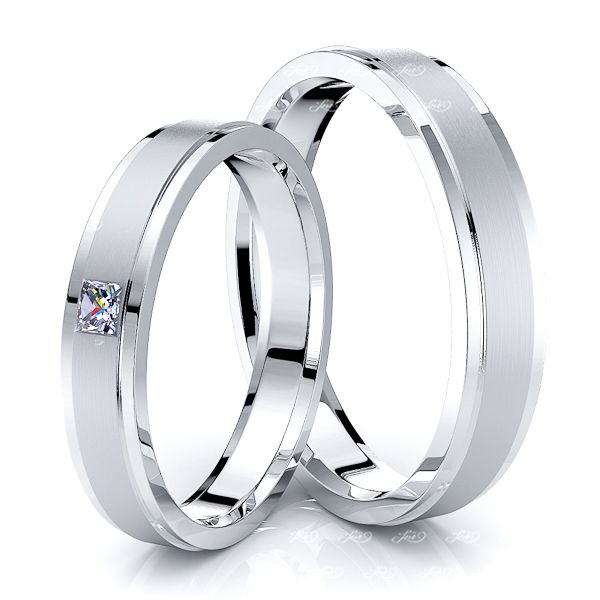
14K Gold Wedding Bands
The classic, durable choice with rich color and real value.
Shop 14K Gold
Platinum Wedding Bands
High-purity, dense, and naturally hypoallergenic.
Shop Platinum
Men's Wedding Bands
Classic and modern styles built for daily wear.
Shop Men's
Bestselling His & Hers Sets
View all-
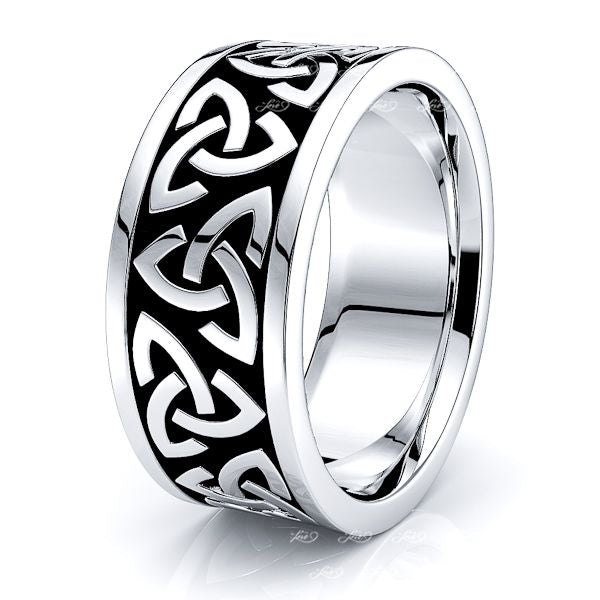
Ryan Trinity Knot Mens Celtic Wedding Band
$1,255.00From$941.25Sale -
Noah Hand Woven Mens Wedding Ring
$657.00From$492.75Sale


Talk to a Wedding Band Expert
Talk to a Wedding Band Expert
Have a question about sizing, metals, or engraving? Our specialists are happy to help — no pressure, just honest advice.
Send Us a Quick Question
Fill out the form below and one of our wedding band experts will get back to you within one business day.
Frequently Asked Questions
Is a wedding band a good investment?
Do wedding bands hold their value over time?
What's the difference between melt value and retail price?
Does 14K gold hold value better than 10K or 18K gold?
Do platinum wedding bands hold value better than gold?
How can I protect my wedding band's value over the years?
Does a custom-designed wedding band hold its value the same way?
What's a realistic starting budget if I want a band with good value retention?
Explore by Topic
Browse related guides, collections, and buying tips — organized to help you find exactly what you need next.